

What Happens in Pelvic Floor Therapy (And Why It Matters)
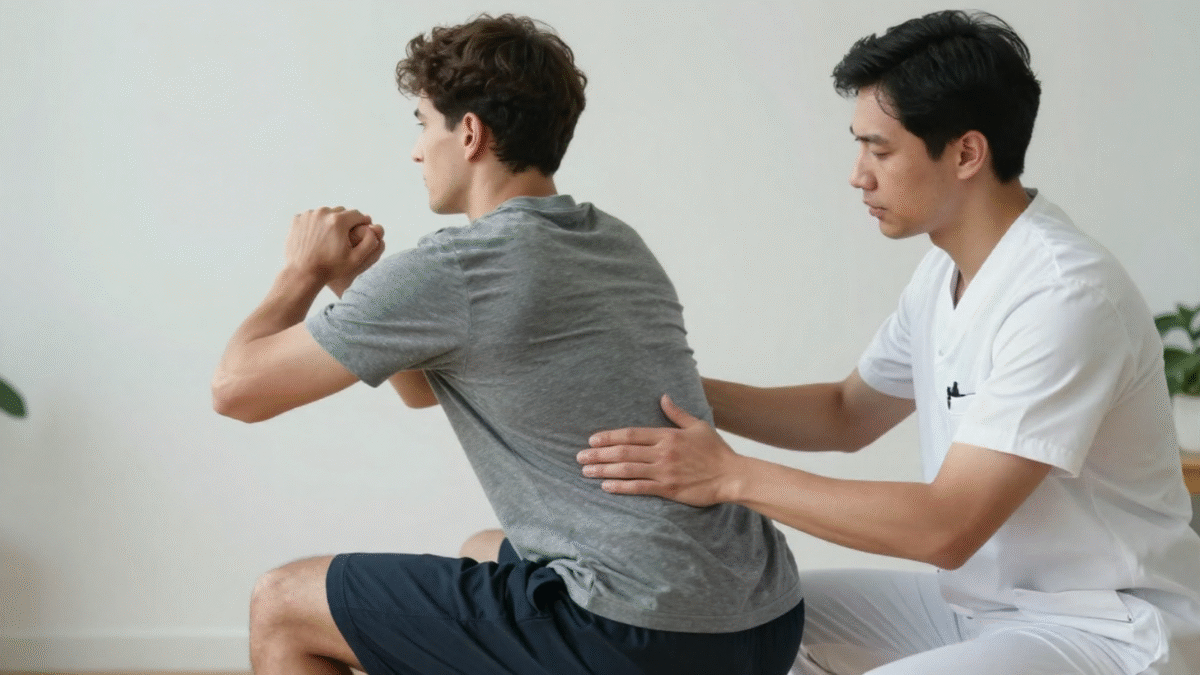
Pelvic floor therapy may sound unfamiliar—or even a bit intimidating—but it’s one of the most effective and empowering treatments available for those dealing with bladder leaks, pelvic pressure, constipation, or postpartum recovery. At Elite Physical Therapy, this care is personalized, professional, and designed to restore confidence and quality of life.
Step 1: A Conversation That Puts You at Ease
Every session begins with a thoughtful conversation. The physical therapist gathers information about symptoms, lifestyle, medical history, and individual goals. Whether it’s occasional leaking, chronic pelvic pain, or feeling off after childbirth, each concern is treated with respect and care.
Step 2: A Gentle, Comprehensive Assessment
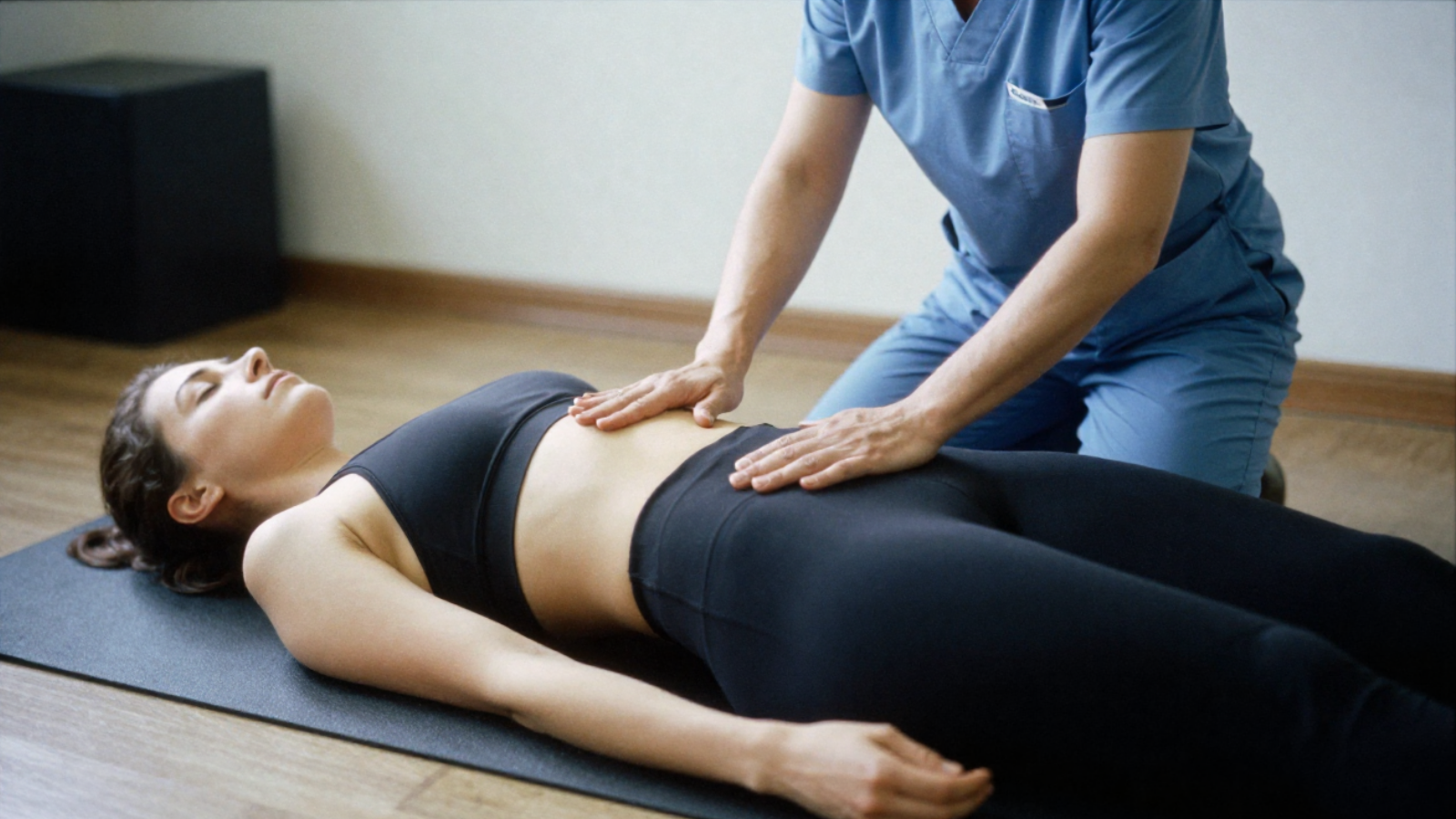
Next comes a physical assessment that looks at posture, breathing, core control, and how well surrounding muscles—like those in the hips, abdomen, and low back—are functioning.
If appropriate, and only with full consent, an internal exam may be offered to evaluate the strength, tone, and coordination of pelvic floor muscles. This helps shape the most effective treatment plan but is always optional.
If appropriate, and only with full consent, an internal exam may be offered to evaluate the strength, tone, and coordination of pelvic floor muscles. This helps shape the most effective treatment plan but is always optional.
Step 3: Education That Empowers
Clients are taught how the pelvic floor works and how posture, breathing patterns, and even bathroom habits affect function. This knowledge forms the foundation of long-term results and helps each person feel more in control of their recovery.
Step 4: A Personalized Plan That Works
Each pelvic floor therapy plan is tailored to specific needs and may include:
● Strengthening exercises for weak or underactive muscles
● Relaxation techniques to calm overly tight or tense muscles
● Breathing and core engagement work to support pelvic stability
● Manual therapy to release muscle tension or improve flexibility
● Bladder and bowel retraining for improved control and function
Therapists also provide guidance on home exercises and practical lifestyle changes that can make a big difference over time.
● Strengthening exercises for weak or underactive muscles
● Relaxation techniques to calm overly tight or tense muscles
● Breathing and core engagement work to support pelvic stability
● Manual therapy to release muscle tension or improve flexibility
● Bladder and bowel retraining for improved control and function
Therapists also provide guidance on home exercises and practical lifestyle changes that can make a big difference over time.
Step 5: Results That Go Beyond the Clinic
Pelvic floor therapy helps people of all ages—whether they’re recovering from childbirth, navigating menopause, or managing long-standing pelvic discomfort. With consistent care, many clients report reduced pain, fewer leaks, better posture, and renewed confidence.
It’s not about “just living with it.” It’s about taking action and getting the support needed to feel better, move better, and live stronger.
📍Elite Physical Therapy is conveniently located in Willowbrook, IL, and proudly serves Willowbrook, Hinsdale, Oak Brook, Woodridge, Lemont, Naperville, Clarendon Hills, Elmhurst, La Grange, and Downers Grove.
📞 Call (630) 299-5870 to schedule an appointment
💻 Book online at www.elitephysicaltherapyclinic.com
It’s not about “just living with it.” It’s about taking action and getting the support needed to feel better, move better, and live stronger.
📍Elite Physical Therapy is conveniently located in Willowbrook, IL, and proudly serves Willowbrook, Hinsdale, Oak Brook, Woodridge, Lemont, Naperville, Clarendon Hills, Elmhurst, La Grange, and Downers Grove.
📞 Call (630) 299-5870 to schedule an appointment
💻 Book online at www.elitephysicaltherapyclinic.com