

Blogs

Elite-blog-images-1200x675.png


Gut Pelvic Floor Connection plays a crucial role in understanding chronic constipation and abdominal pressure.

Poor gut function often affects pelvic floor health, leading to discomfort, bloating, or urinary issues.

Explore how restoring gut balance supports pelvic floor strength and improves overall well-being.


How Are the Gut and Pelvic Floor Connected?

The pelvic floor is a group of muscles located at the base of the pelvis. These muscles support vital organs like the bladder, uterus (in women), and rectum. They’re also responsible for bowel and bladder control. When you have regular bowel movements, your pelvic floor muscles contract and relax in a healthy rhythm. But when you’re constipated, things get disrupted.


Chronic constipation often causes people to strain while trying to pass stool. Over time, this repeated straining places stress on the pelvic floor muscles, leading to:


● Pelvic floor dysfunction

● Rectal prolapse

● Hemorrhoids

● Painful bowel movements

● Difficulty fully emptying the bowels


In women, this can also lead to bladder issues, increased pressure during menstruation, or discomfort during intercourse.


Signs Your Constipation May Be Affecting Your Pelvic Floor

If you’ve been dealing with long-term constipation and also experience any of the following, your pelvic floor may be involved:


● Sensation of incomplete bowel evacuation

● Pain or pressure in the lower pelvis

● Needing to reposition or use your hands to assist with a bowel movement

● Increased urinary urgency or leakage


These are signs that your body is compensating for weak or uncoordinated pelvic muscles.


What Can You Do About It?

The good news? You don’t have to live with the discomfort. Pelvic Floor Therapy can help retrain the muscles, improve coordination, and ease constipation symptoms. At Elite Physical Therapy, we work with clients in the Chicago area to:


● Teach proper breathing and bowel movement techniques

● Improve pelvic floor muscle coordination

● Address core and postural alignment

● Relieve tension in overactive muscles


In some cases, simple adjustments in diet, hydration, and toilet posture (like using a stool under your feet)

can complement physical therapy and lead to major improvements.


📍Conveniently located in Willowbrook, IL, serving Willowbrook, Hinsdale, Oak Brook, Woodridge, Lemont, Naperville, Clarendon Hills, Elmhurst, La Grange, and Downers Grove.

📞 Call us today at (630) 299-5870 to schedule an appointment

💻 Book your consultation online at www.elitephysicaltherapyclinic.com


Elite-blog-images-4-1200x675.png


Your pelvic floor might not be something you think about daily, but it plays a huge role in your quality of life—especially as you age. From bladder control to core support and sexual health, these muscles are essential. For many people in the Chicago area, understanding how the pelvic floor changes over time is the first step to feeling stronger, healthier, and more in control.

Your 30s: Early Signs and Subtle Shifts

In your 30s, the pelvic floor may begin to feel the effects of childbirth, hormonal fluctuations, or high-impact workouts. You might notice:


Occasional urinary leakage during exercise or sneezing

Mild pelvic discomfort or pressure

Core instability or difficulty with abdominal exercises


This is a great time to start pelvic floor therapy—even if symptoms are minimal. Prevention and early care make a big difference.


Your 40s: Hormonal Changes and Growing Awareness

As you enter your 40s, hormone levels begin to shift, especially estrogen, which plays a key role in pelvic tissue health. Common symptoms during this stage include:


Increased bladder urgency or leakage

Pelvic heaviness or discomfort

Changes in sexual sensation

Low back or hip pain linked to core weakness


Pelvic floor therapy can help retrain and strengthen these muscles, restoring function and improving quality of life.


Your 50s and Beyond: Menopause, Aging, and Maintenance

By the time you reach your 50s and beyond, menopause and aging may further weaken the pelvic floor. Without proper care, this can lead to:


Prolapse (when pelvic organs drop)

Ongoing bladder or bowel issues

Difficulty with daily movement or exercise


But here’s the good news—it’s never too late to start. Pelvic floor therapy is highly effective for older adults and can significantly improve comfort, confidence, and mobility.


📍Conveniently located in Willowbrook, IL, serving Willowbrook, Hinsdale, Oak Brook, Woodridge, Lemont, Naperville, Clarendon Hills, Elmhurst, La Grange, and Downers Grove.

📞 Call us today at (630) 299-5870 to schedule an appointment

💻 Book your consultation online at www.elitephysicaltherapyclinic.com


Elite-blog-images-3-1-1200x675.png


When you think about good posture, you probably picture standing up straight, shoulders back, and head held high. But what if we told you that your posture plays a major role in your pelvic health too? For many, this miss connection goes unnoticed—until pain, discomfort, or pelvic floor dysfunction begins to affect daily life.

Why Posture Matters More Than You Think

Your posture influences how your pelvic floor muscles function. These muscles support your bladder, bowel, and reproductive organs. When your spine is misaligned due to slouching or poor posture, the pressure on your pelvic floor changes—and that can lead to real problems like:


Urinary leakage

Pelvic pain or pressure

Constipation

Core weakness

Lower back discomfort


Over time, poor posture can weaken or overstrain the pelvic floor, making symptoms worse.


How Does It All Connect?

Think of your body like a chain: your head, spine, pelvis, and legs are all linked. When your posture shifts out of alignment, the tension redistributes through your core and pelvis. This can cause the pelvic floor muscles to:


Overcompensate and become tight

Stop firing properly

Lose coordination and strength


This disruption may go unnoticed for a while, but it often contributes to pelvic floor dysfunction—especially in women who are pregnant, postpartum, or in menopause.


What You Can Do About It?

At Elite Physical Therapy, we look at the whole picture—not just isolated symptoms. Our team specializes in posture correction and pelvic floor therapy. With a personalized treatment plan, we can help you:


Improve posture and core engagement

Strengthen or release the pelvic floor

Restore bladder and bowel control

Reduce pain and discomfort

Regain functional strength for daily life


📍Conveniently located in Willowbrook, IL, serving Willowbrook, Hinsdale, Oak Brook, Woodridge, Lemont, Naperville, Clarendon Hills, Elmhurst, La Grange, and Downers Grove.

📞 Call us today at (630) 299-5870 to schedule an appointment

💻 Book your consultation online at www.elitephysicaltherapyclinic.com


Elite-blog-images-2-1200x675.png


Feeling dizzy, lightheaded, or off-balance can throw your whole life off track. Whether it’s

vertigo, motion sensitivity, or balance issues, vestibular problems can seriously impact your daily

routines and confidence. But the good news is—there’s a proven way to fix it. For many in the

Chicago area, Vestibular Physical Therapy offers safe, drug-free relief that gets real results.

What Are Vestibular Problems?-

Vestibular problems stem from issues in the inner ear and brain that help control balance and

eye movements. Common causes include:

● Benign Paroxysmal Positional Vertigo (BPPV)

● Vestibular neuritis or labyrinthitis

● Meniere’s disease

● Concussions or head trauma

● Age-related degeneration

Signs You May Have a Vestibular Disorder

● Dizziness or a spinning sensation (vertigo)

● Trouble focusing or blurred vision with movement

● Unsteady gait or frequent falls

● Nausea when moving your head

● Feeling disoriented in crowded or visually stimulating environments

How Do You Fix Vestibular Problems?

The first step is a proper diagnosis. At Elite Physical Therapy, we start with a comprehensive

evaluation to pinpoint the root cause of your symptoms. Once we understand what’s going on,

we create a custom treatment plan using Vestibular Rehabilitation Therapy (VRT).

VRT includes:

● Canalith Repositioning Maneuvers (for BPPV)

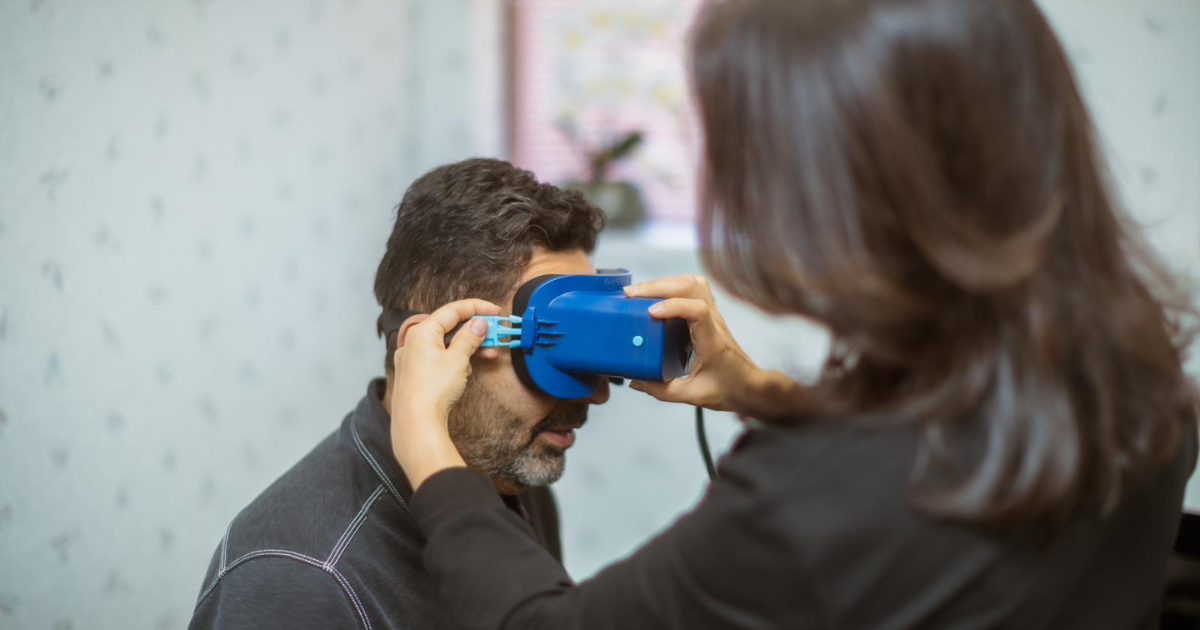
● Gaze Stabilization Exercises to improve focus while moving

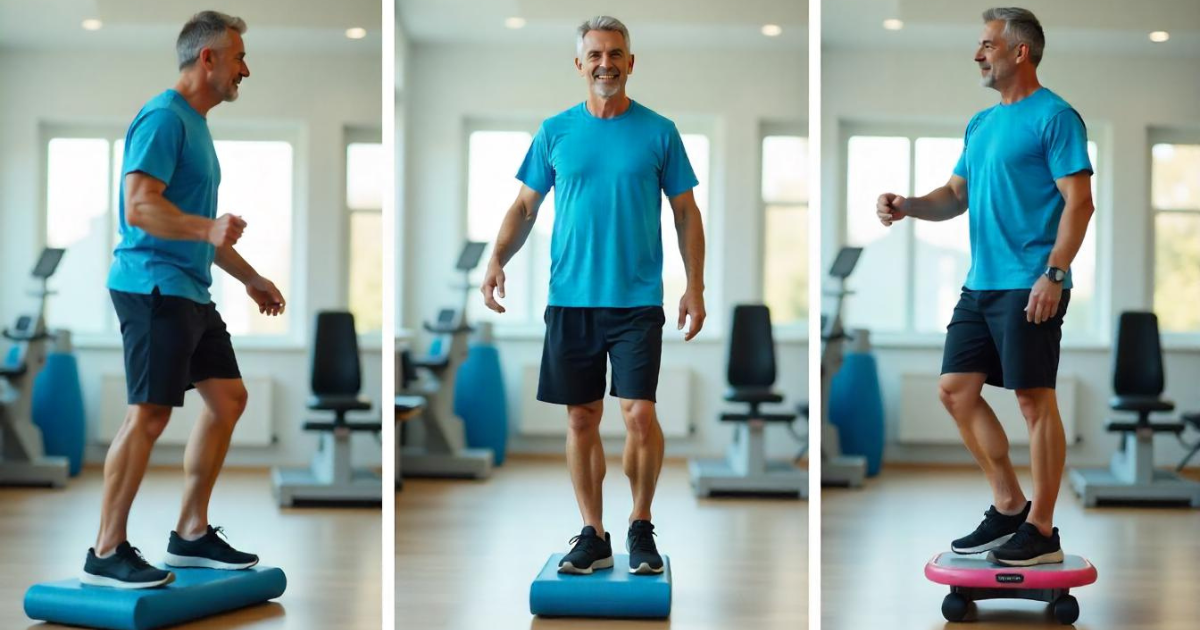
● Balance Training to rebuild stability and confidence

● Habituation Exercises to reduce motion sensitivity


How Long Does It Take?

Many patients begin to feel relief within a few sessions. The timeline depends on your diagnosis

and how consistently you follow your plan. The goal is to reduce symptoms, improve your

balance, and help you get back to doing the things you love.

Why Choose Elite Physical Therapy?

Our team is specially trained in vestibular rehab and uses the latest techniques to guide your

recovery. You’ll get one-on-one care tailored to your needs—right here in your neighborhood.

📍Conveniently located in Willowbrook, IL, serving Willowbrook, Hinsdale, Oak Brook,

Woodridge, Lemont, Naperville, Clarendon Hills, Elmhurst, La Grange, and Downers

Grove.

📞 Call us today at (630) 299-5870 to schedule an appointment

💻 Book your consultation online at www.elitephysicaltherapyclinic.com


Elite-blog-images-1-1-1200x675.png


Pregnancy is a beautiful journey, but it’s not always comfortable. From

back pain and pelvic pressure to bladder issues and core instability, expecting moms know these discomforts can take a toll. Fortunately, Pelvic Floor Therapy offers

a natural, non-invasive way to ease discomfort and prepare your body for a smoother

labor and delivery.

What is Pelvic Floor Therapy?-

Pelvic Floor Therapy focuses on strengthening and relaxing the muscles of the pelvic

floor—the group of muscles that support the bladder, uterus, and bowel. During

pregnancy, hormonal changes and growing baby weight can weaken or strain these

muscles, leading to symptoms like:

● Pelvic pain or pressure

● Low back or hip pain

● Urinary leakage

● Constipation

● Pain during movement or exercise


How does it work?

Your journey starts with a one-on-one assessment by a licensed physical therapist at Elite

Physical Therapy Clinic. From there, a customized treatment plan is developed and may include:

∙ Canalith repositioning maneuvers to help reposition inner ear crystals causing vertigo

∙ Gaze stabilization exercises to improve visual focus during head movements

∙ Balance and gait training to reduce fall risk and improve mobility

∙ Habituation exercises to decrease motion sensitivity

How Does It Help During your Pregnancy?

At Elite Physical Therapy, we develop customized therapy plans to

meet each mom’s unique needs. Pelvic Floor Therapy can:

● Improve posture and core stability

● Reduce pressure on the lower back and pelvis

● Enhance muscle coordination for pushing during labor

● Relieve bladder and bowel issues

● Help manage diastasis recti (abdominal separation)


Benefits for Labor and Delivery

Preparing your pelvic floor muscles before labor helps make delivery more efficient and

may reduce the need for interventions. Key benefits include:

● Better control during pushing

● Reduced risk of tearing

● Faster postpartum recovery

● Improved confidence and body awareness

Why Choose Elite Physical Therapy?

Elite Physical Therapy offers compassionate, evidence-based care to help you feel

strong, supported, and ready for delivery. We work closely with you and your healthcare

team to create a comfortable, empowering pregnancy experience.

Conveniently located in Willowbrook, IL, serving Willowbrook, Hinsdale, Oak Brook,

Woodridge, Lemont, Naperville, Clarendon Hills, Elmhurst, La Grange, and Downers

Grove.

Call us today at (630) 299-5870 to schedule an appointment or

💻 💻 Book your consultation online at https://elitephysicaltherapyclinic.com/


Elite-blog-images-2-1200x675.png


What is Vestibular Physical Therapy?

Vestibular Physical Therapy is a targeted form of rehabilitation that addresses dysfunction in the

vestibular system—part of your inner ear and brain that controls balance and spatial orientation.

Whether you’re dealing with vertigo, motion sensitivity, or imbalance, VPT uses evidence-based

techniques to retrain your body and brain.

Common Conditions Treated with Vestibular Physical Therapy: –

∙Benign Paroxysmal Positional Vertigo (BPPV)

∙Dizziness

∙Imbalance

∙Vestibular neuritis and labyrinthitis

∙Meniere’s disease

∙Age-related balance issues

How does it work?

Your journey starts with a one-on-one assessment by a licensed physical therapist at Elite

Physical Therapy Clinic. From there, a customized treatment plan is developed and may include:

∙ Canalith repositioning maneuvers to help reposition inner ear crystals causing vertigo

∙ Gaze stabilization exercises to improve visual focus during head movements

∙ Balance and gait training to reduce fall risk and improve mobility

∙ Habituation exercises to decrease motion sensitivity

What are the benefits of Vestibular Therapy?

∙ Fewer dizzy spells and less vertigo

∙ Improved coordination and balance

∙ Reduced fall risk and safer mobility

∙ Greater confidence in your daily life

∙ Faster recovery after concussions or vestibular injuries

Why do Chicagoland Residents Trust Elite Physical Therapy?

Our clinic specializes in treating vestibular conditions with cutting-edge techniques and a

compassionate, one-on-one approach. We work with you to regain control of your body and your

lifestyle—so you can move through your world with confidence again.

Conveniently located in Willowbrook, IL, serving Willowbrook, Hinsdale, Oak Brook,

Woodridge, Lemont, Naperville, Clarendon Hills, Elmhurst, La Grange, and Downers Grove.


Call us today at (630) 299-5870 to schedule an appointment


�� Book your consultation online at www.elitephysicaltherapyclinic.com


Untitled design (16)

We provide personalized rehabilitation services for optimal health. Our expert therapists use evidenced-based techniques to enhance mobility, alleviate pain, and restore function.

Our Policy

Elite Physical Therapy Clinic © Copyright 2026 | Designed by gubbaccidigital.com