

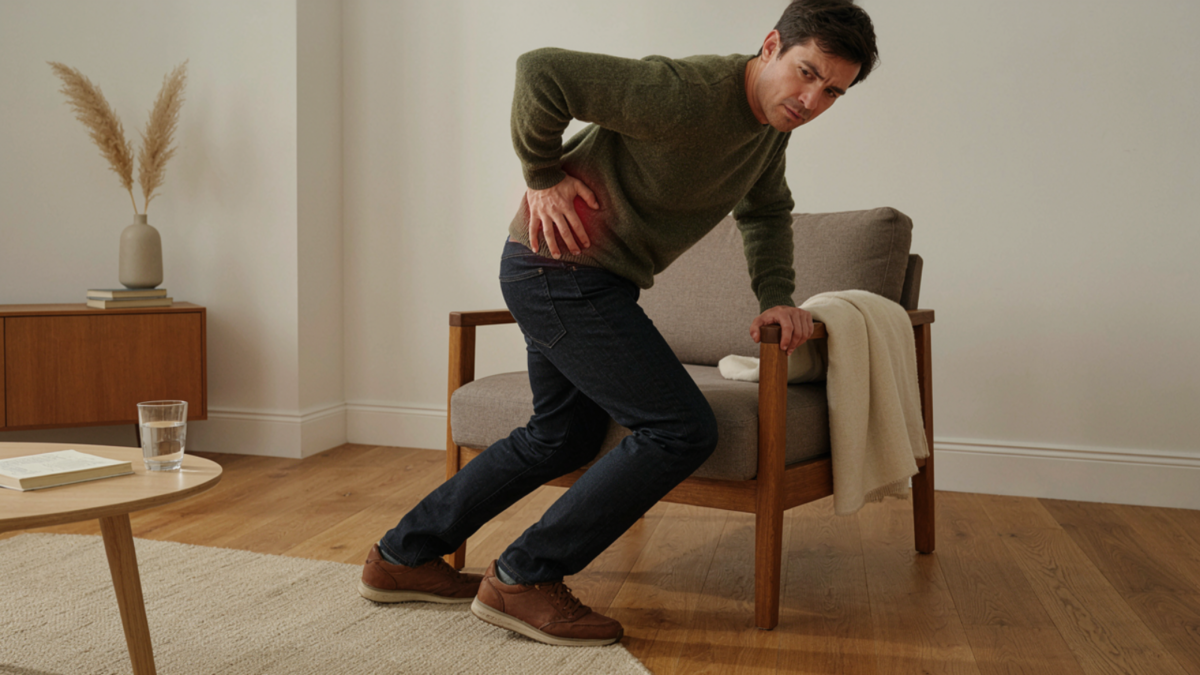
Does this sound familiar?
Your back hurts for a few days. You rest, stretch, take some medication, or use heat—and eventually it feels better. You get back to your normal routine…and then one day the pain returns.
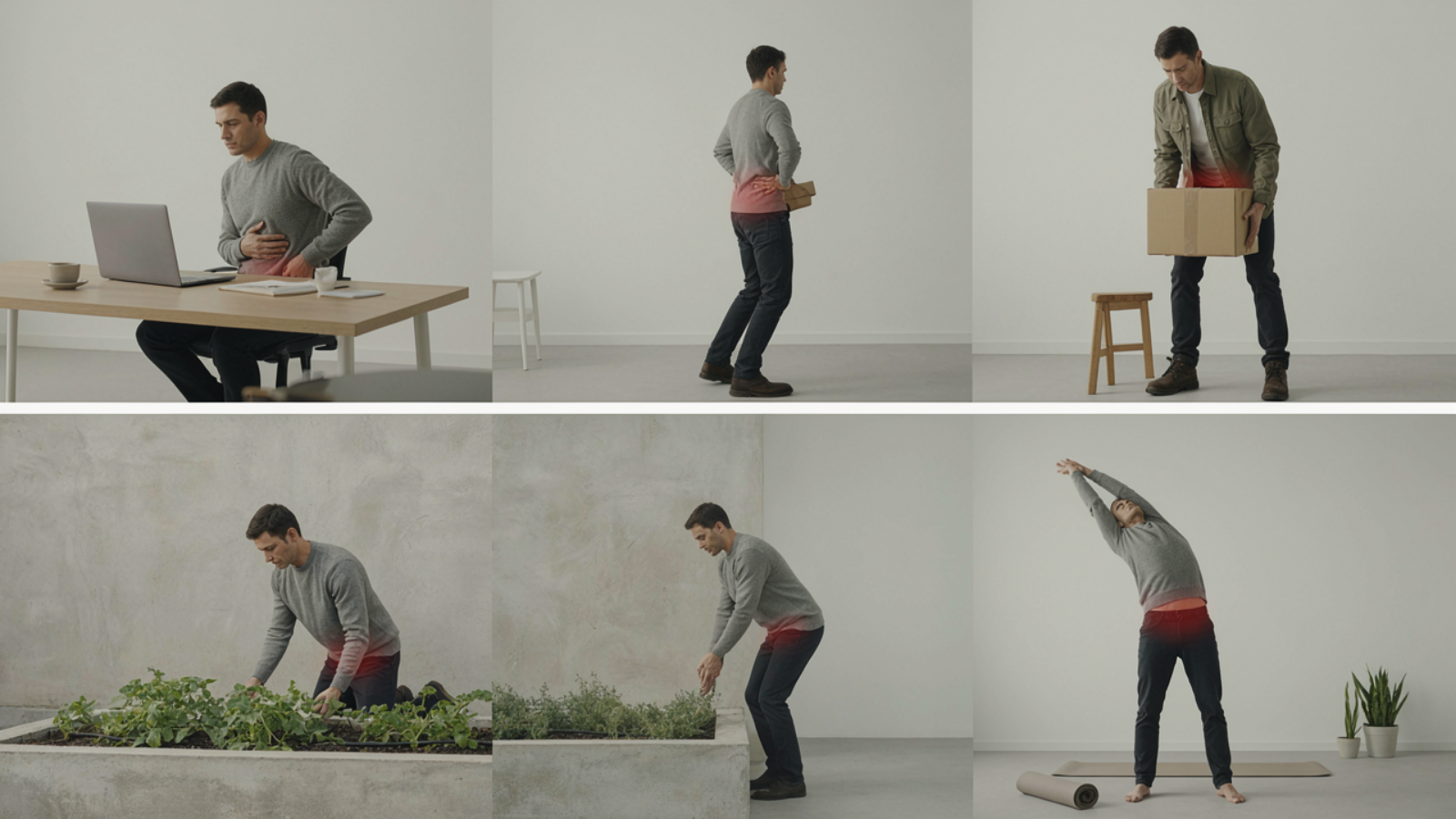
Maybe it happens after sitting too long. Maybe after lifting, exercising, gardening, traveling, or sometimes for no obvious reason at all.
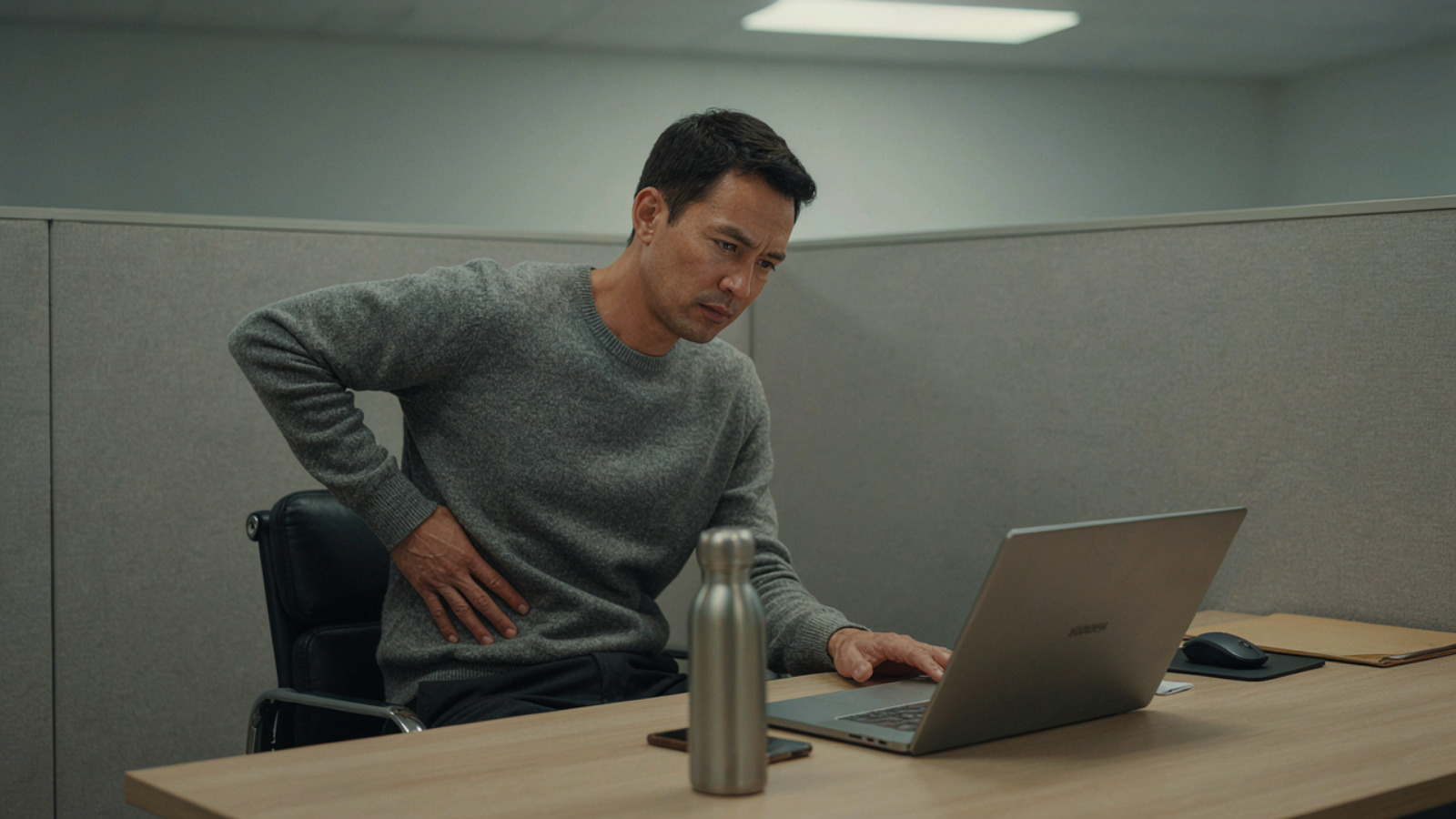
If this keeps happening, it doesn’t necessarily mean that your back is damaged or that something is getting worse. Back pain is often influenced by a combination of factors, and understanding your individual pattern can be an important part of breaking the cycle.
Why Does Back Pain Come and Go?
Your back is designed to move, bend, lift, and tolerate load. But just like the rest of your body, its tolerance can change.
A sudden increase in activity, prolonged sitting, repeated bending or lifting, reduced strength or mobility, poor sleep, stress, or simply doing more than your body is currently accustomed to can contribute to a flare-up.
Sometimes the muscles, joints, discs, or nerves may be involved. Other times, there isn’t one single structure responsible for the pain.
That is why two people with “lower back pain” may need very different treatment approaches.
Pain Doesn’t Always Mean Damage
When something hurts, our natural response is often to protect it.
We may tighten our muscles, move differently, avoid bending, or constantly check whether the pain is still there.
That protection can be useful initially. But sometimes the body continues to guard even after the original irritation has settled.
You might notice yourself holding your breath when lifting, tightening your stomach all day, moving very cautiously, or avoiding movements because you are worried they will hurt.
Over time, this can make normal movement feel harder or more threatening than it needs to be.
One part of rehabilitation is helping your body become comfortable and confident with movement again.
Rest Can Help—But Movement Matters Too
During a painful flare-up, temporarily modifying your activity can certainly help.
But complete or prolonged rest usually isn’t the long-term answer.
Instead, we often work toward finding movements that feel comfortable and gradually rebuilding the body’s tolerance for activities such as walking, bending, lifting, exercising, and sitting.
The goal isn’t to force your way through pain.
It’s to find the right movement, the right amount, and the right progression for you.
Pay Attention to Patterns, Not Just Pain
One of the most useful questions we can ask is:
“What makes my symptoms better, worse, or different?”
For example:
- Does sitting make your back worse while walking makes it better?
- Does bending repeatedly increase your symptoms?
- Does gently extending backward make you feel better?
- Are mornings different from evenings?
- Do symptoms change after poor sleep or a stressful week?
- Are you avoiding certain movements because you’re worried about hurting your back?
These patterns give your physical therapist valuable information about how your back responds to movement and loading.
For some patients, a systematic approach such as Mechanical Diagnosis and Therapy (the McKenzie Method) can help identify whether certain repeated movements or positions consistently improve or worsen symptoms.
Physical Therapy Is More Than a List of Exercises
At Elite Physical Therapy, we don’t want to simply hand you five exercises and tell you to come back next week.
We want to understand your back and your life.
What activities are difficult?
What movements are you avoiding?
What happens before a flare-up?
How are you sitting, lifting, exercising, sleeping, and moving throughout your day?
Treatment may include mobility work, strengthening, hands-on treatment when appropriate, posture and movement retraining, and education about how to manage symptoms independently.
Just as importantly, we help you understand what you can safely continue doing instead of giving you an ever-growing list of things to avoid.
The Goal: Become Less Afraid of the Next Flare-Up
Even after successful treatment, you may occasionally wake up with a stiff back or experience soreness after doing something unusual.
The difference is that you know what to do.
You understand which movements help.
You know when to modify an activity.
You know how to gradually return to exercise.
And you don’t automatically assume that every ache means you’ve injured your back again.
That’s an important part of long-term recovery.
Break the Cycle of Recurring Back Pain
If your back pain keeps disappearing and returning, you don’t have to keep waiting for the next episode.
At Elite Physical Therapy, we look at the whole picture—your symptoms, movement, strength, daily activities, and the patterns that may be contributing to repeated flare-ups.
Together, we develop an individualized plan to help you move better, build strength, understand your symptoms, and return to the activities that matter to you with greater confidence.
www.elitephysicaltherapyclinic.com