
Understanding Sciatica
If you’ve ever experienced sciatica that sharp, radiating pain running from your lower back down into your leg you know how disruptive it can be. Everyday activities like sitting, standing, or even sleeping can become difficult. At Elite Physical Therapy, we use the McKenzie Method of Mechanical Diagnosis and Therapy (MDT) to help patients find effective relief from this persistent condition.
What Causes Sciatica?
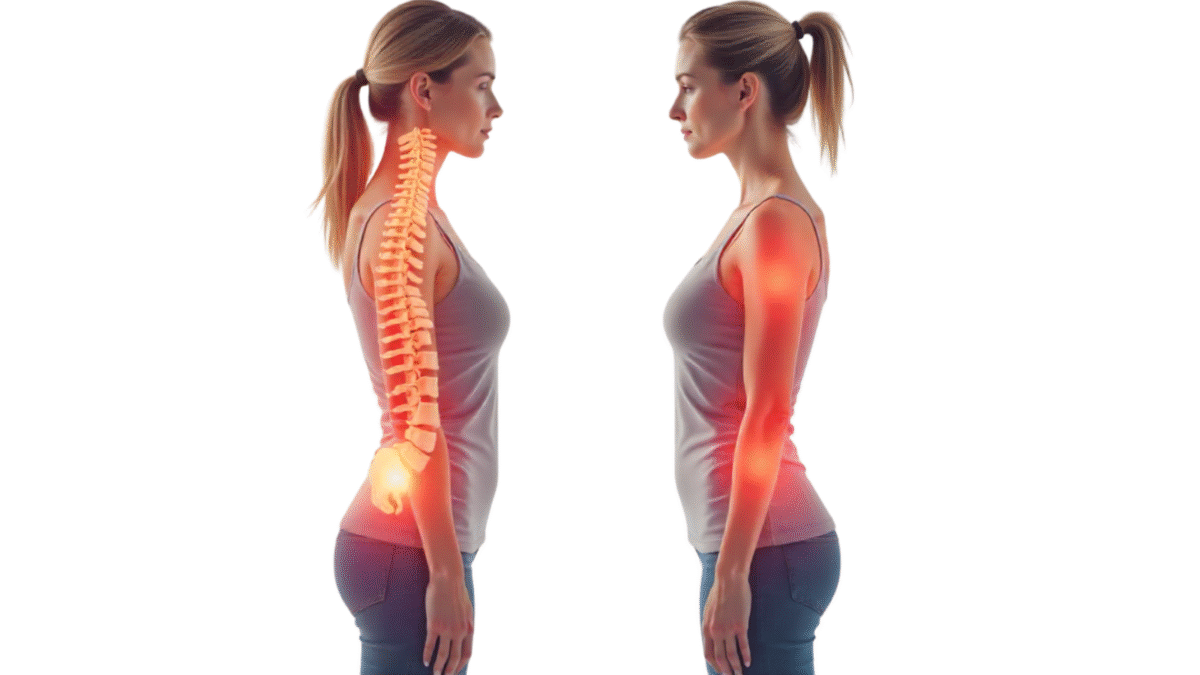
Sciatica itself is not a diagnosis but a symptom caused by irritation or compression of the sciatic nerve. This large nerve travels from your lower spine through the buttocks and down each leg. Irritation can occur due to a herniated disc, spinal stenosis, or joint dysfunction all of which mechanically influence how your spine moves and functions.

How the McKenzie Method Works
The McKenzie Method is an evidence-based approach that uses repeated movements to assess and treat pain in the spine and limbs. Developed by physiotherapist Robin McKenzie, this method focuses on identifying the direction of movement that reduces or “centralizes” pain meaning the discomfort moves out of the leg and toward the low back. It also emphasizes teaching patients self-management strategies to control symptoms and prevent recurrence.
Why MDT Helps Relieve Sciatica
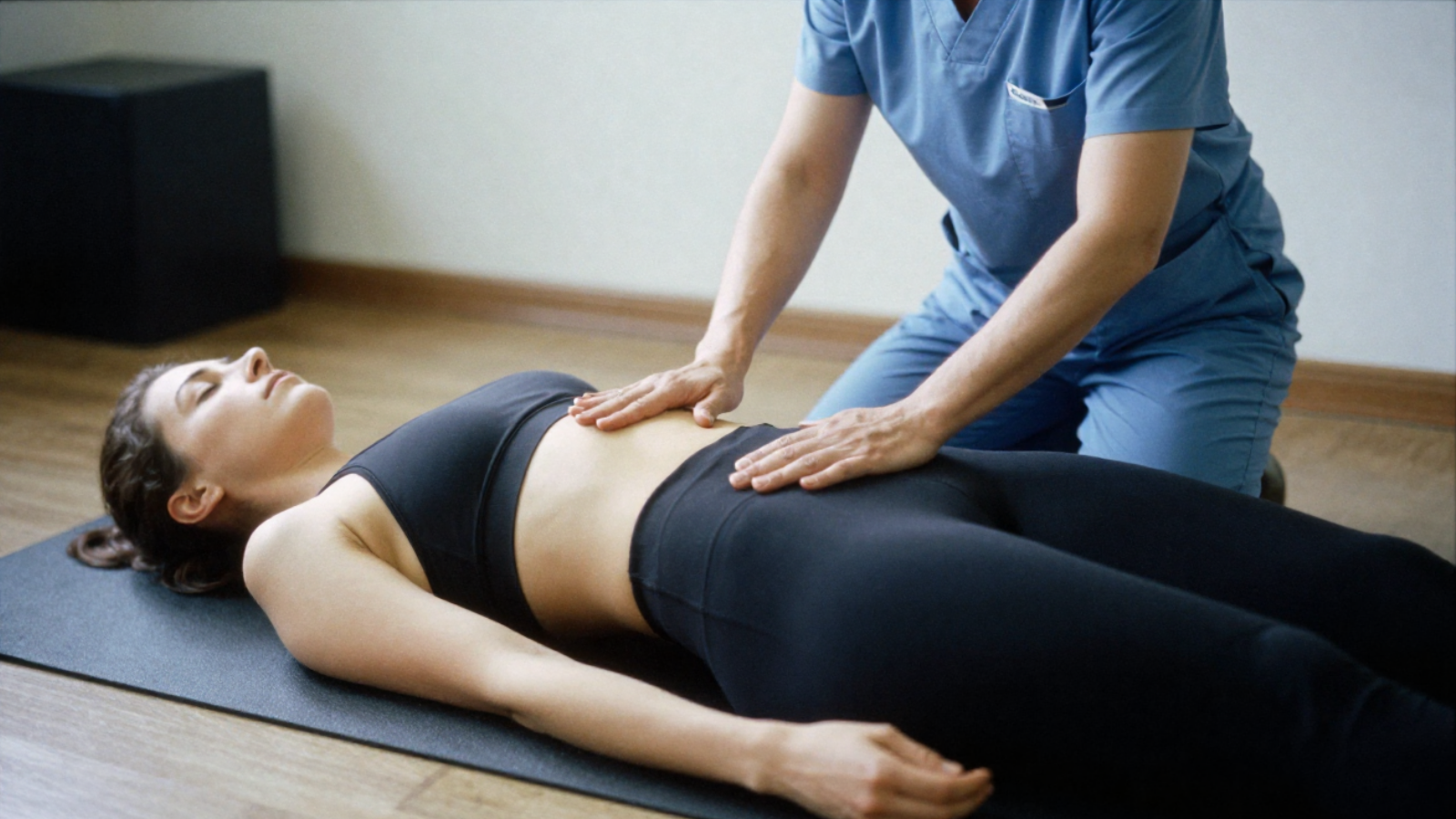
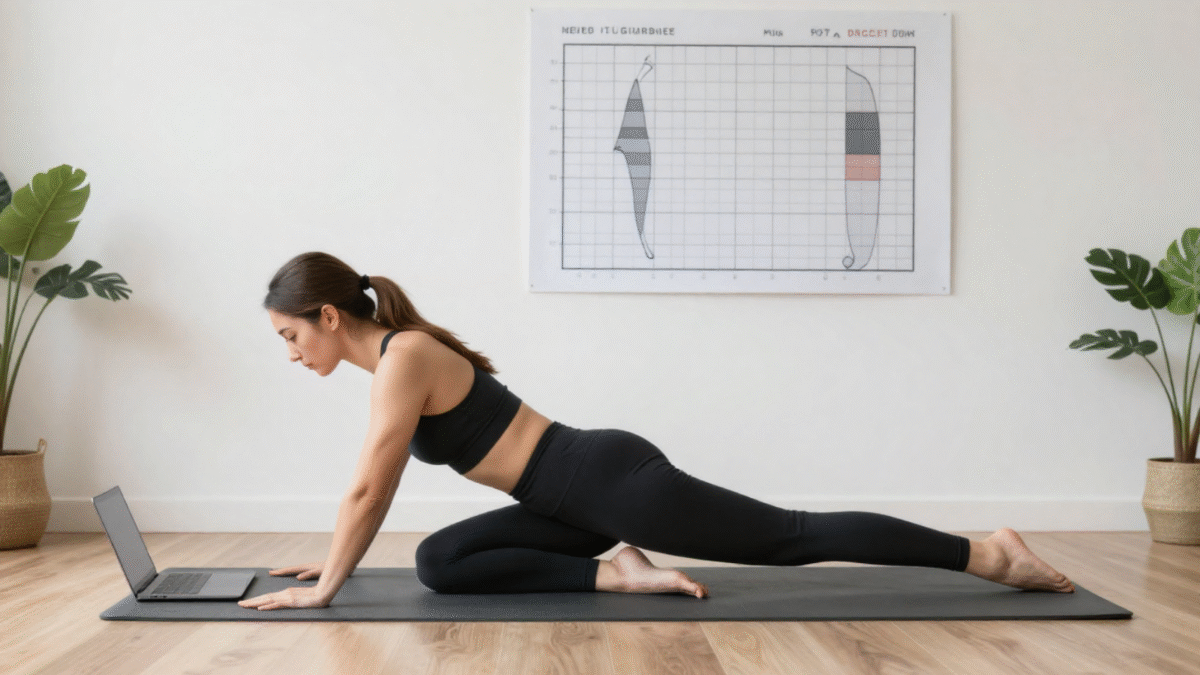
During an MDT evaluation, therapists observe how your symptoms change with specific repeated movements, such as bending backward or forward. If one movement direction reduces leg pain and brings it toward the spine, it indicates a positive response. Based on this, a personalized exercise plan is developed to restore mobility, decrease nerve irritation, and improve function. Many patients who respond to MDT can avoid injections or surgery because the method focuses on long-term self-care and prevention.
What to Expect at Elite Physical Therapy
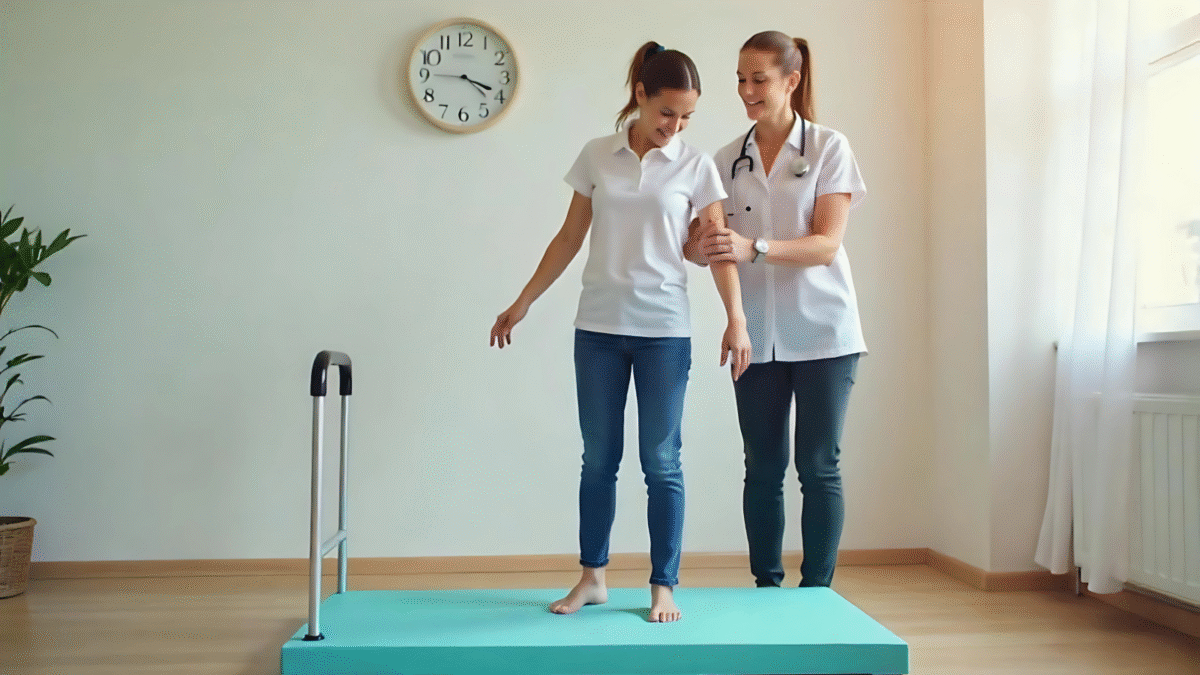
At Elite PT, every session begins with a thorough movement-based assessment. You’ll be guided through targeted exercises to identify what brings relief. From there, we design a customized McKenzie program to reduce symptoms, maintain improvements, eliminate pain, and prevent future flare-ups. With the right guidance and home exercises, you gain control over your recovery and can return to the activities you love with confidence.
📍Elite Physical Therapy is conveniently located in Willowbrook, IL, and proudly serves Willowbrook, Hinsdale, Oak Brook, Woodridge, Lemont, Naperville, Clarendon Hills, Elmhurst, La Grange, and Downers Grove.
📞 Call (630) 299-5870 to schedule an appointment
💻 Book online at www.elitephysicaltherapyclinic.com
📞 Call (630) 299-5870 to schedule an appointment
💻 Book online at www.elitephysicaltherapyclinic.com