
Pelvic Floor Physical Therapy is a key component of the care I provide as a physical therapist, alongside managing vestibular disorders, balance issues, and joint pain. These conditions often impact my patients’ daily lives, and physical therapy offers targeted solutions to help them regain comfort and function.
Vestibular Issues
The vestibular system, located in the inner ear, is crucial for maintaining balance and spatial orientation. When this system is disrupted, it can lead to dizziness, vertigo, and balance problems. Vestibular issues can arise from various conditions, including benign paroxysmal positional vertigo (BPPV), labyrinthitis, and Meniere’s disease.
How Physical Therapy Can Help:
1. Vestibular Rehabilitation Therapy (VRT): VRT is a specialized form of physical therapy designed to alleviate symptoms of vestibular disorders. It involves exercises that improve gaze stabilization, balance, and vertigo symptoms.
2. Customized Exercise Programs: Tailored exercises help retrain the brain to recognize and process signals from the vestibular system, reducing dizziness and improving balance.
3. Education and Strategies: Patients are taught coping strategies to manage symptoms and improve safety in daily activities.
2. Customized Exercise Programs: Tailored exercises help retrain the brain to recognize and process signals from the vestibular system, reducing dizziness and improving balance.
3. Education and Strategies: Patients are taught coping strategies to manage symptoms and improve safety in daily activities.
Balance Problems
Balance problems can result from a variety of factors, including vestibular disorders, musculoskeletal issues, neurological conditions, and age-related changes. Poor balance increases the risk of falls, which can lead to serious injuries.
How Physical Therapy Can Help:
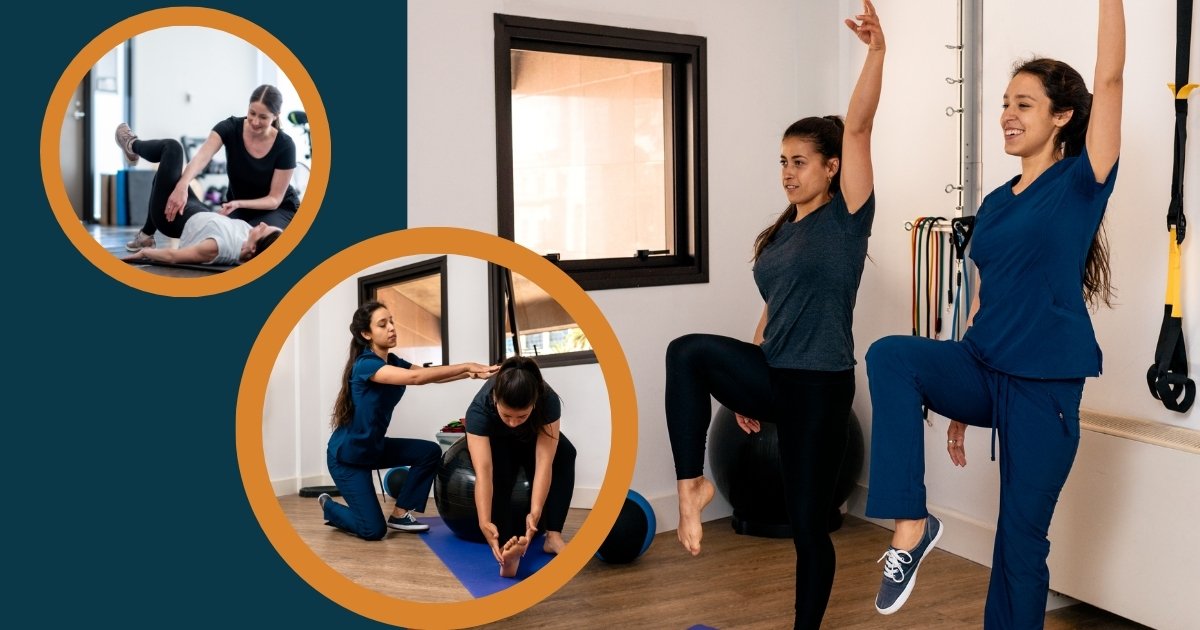
1. Balance Training: Specific exercises to improve strength, coordination, and proprioception (awareness of body position) can enhance balance.
2. Strengthening Exercises: Strengthening the muscles, particularly in the core and lower extremities, can provide better support and stability.
3. Fall Prevention: Education on fall prevention strategies and home safety modifications can reduce the risk of falls.
2. Strengthening Exercises: Strengthening the muscles, particularly in the core and lower extremities, can provide better support and stability.
3. Fall Prevention: Education on fall prevention strategies and home safety modifications can reduce the risk of falls.
Pelvic Floor Therapy
Pelvic floor dysfunction affects many individuals, often causing issues like urinary incontinence, pelvic pain, and prolapse. It can result from childbirth, surgery, aging, or other conditions. Pelvic floor therapy focuses on improving the function of the pelvic floor muscles.
How Physical Therapy Can Help:
1. Pelvic Floor Exercises: Techniques such as Kegels help strengthen and coordinate the pelvic floor muscles.
2. Biofeedback and Electrical Stimulation: These methods can provide feedback and enhance muscle training.
3. Manual Therapy: Hands-on techniques to release tight muscles and improve pelvic alignment.
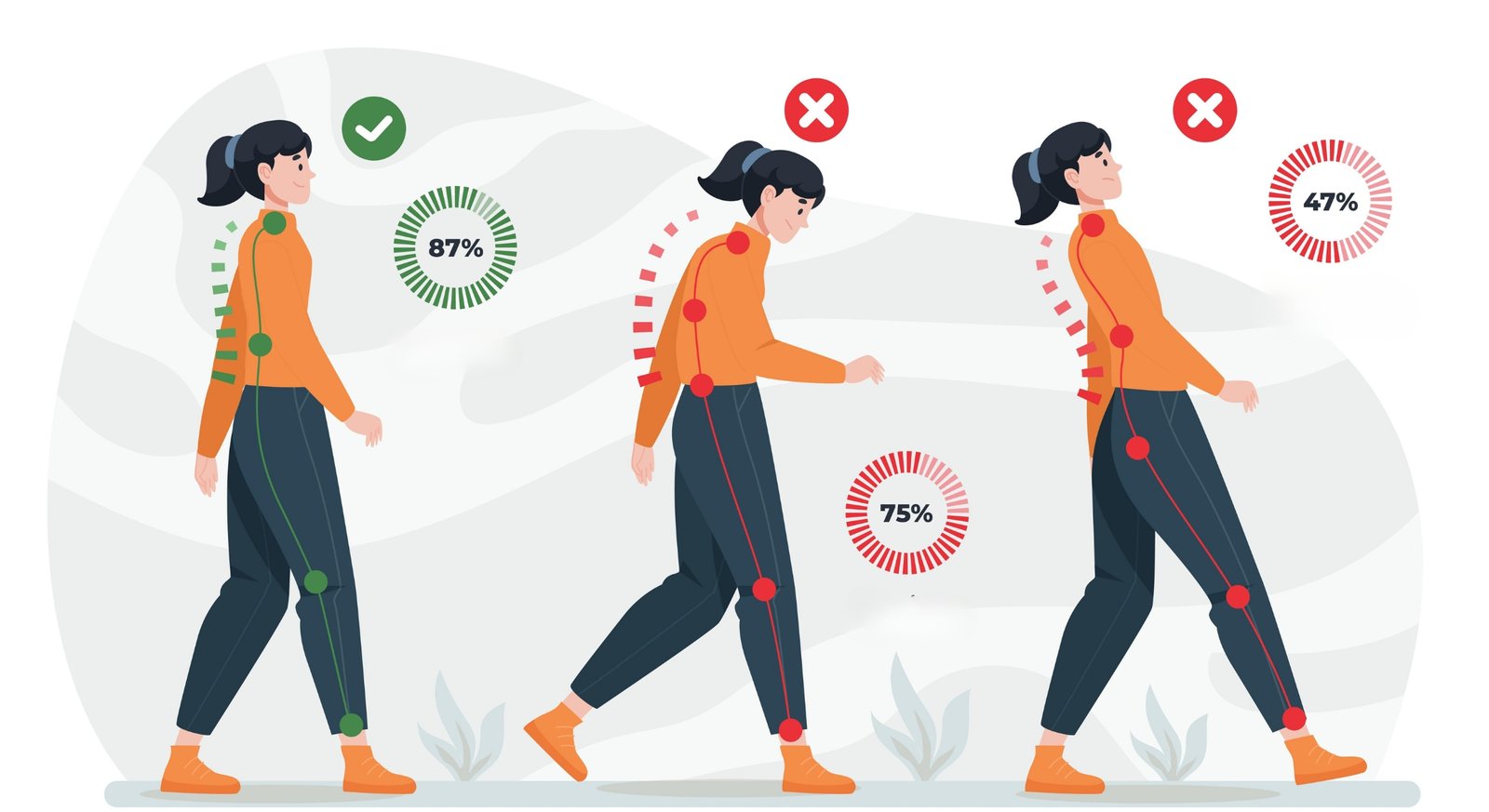
4. Education and Lifestyle Modifications: Guidance on bladder and bowel habits, posture, and exercises to support pelvic health.
2. Biofeedback and Electrical Stimulation: These methods can provide feedback and enhance muscle training.
3. Manual Therapy: Hands-on techniques to release tight muscles and improve pelvic alignment.
4. Education and Lifestyle Modifications: Guidance on bladder and bowel habits, posture, and exercises to support pelvic health.
Joint Aches and Pains
Joint aches and pains are common complaints, often stemming from conditions like arthritis, overuse injuries, or mechanical dysfunctions. These pains can significantly impact mobility and quality of life.
How Physical Therapy Can Help:
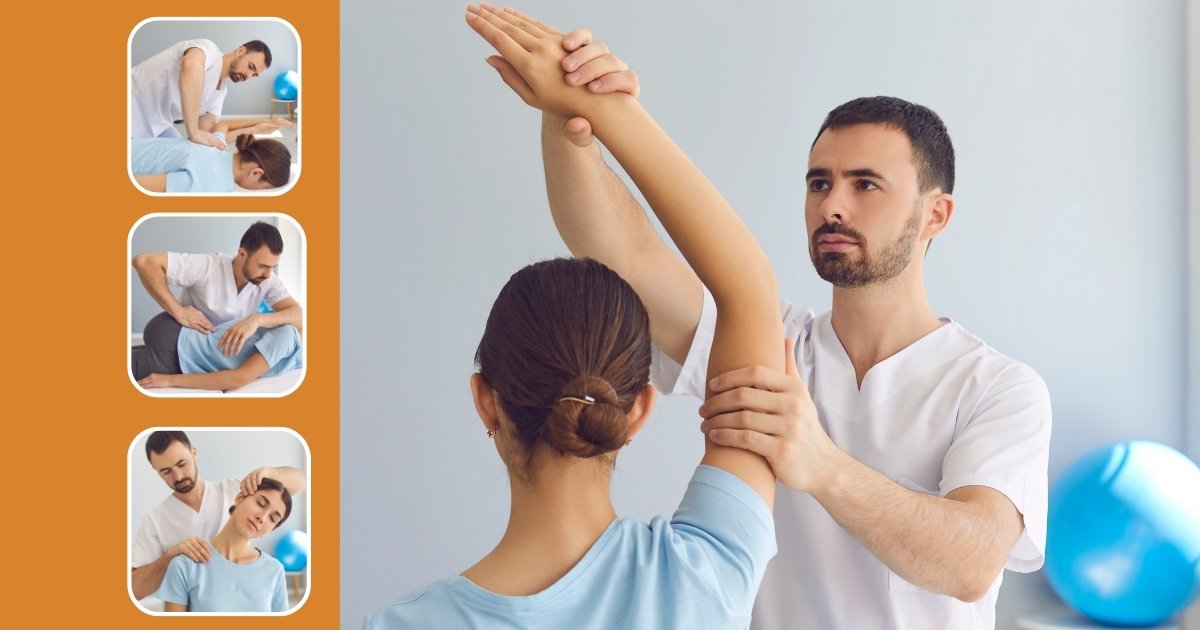
1. Manual Therapy: Techniques such as joint mobilizations and soft tissue massage can reduce pain and improve mobility.
2. Therapeutic Exercises: Tailored exercises to strengthen the muscles around the joints, improving support and reducing pain.
3. Pain Management Strategies: Modalities such as ultrasound, heat, cold, and electrical stimulation can provide pain relief.
4. Education: Patients learn about proper body mechanics and ergonomics to prevent further joint stress and injury.
2. Therapeutic Exercises: Tailored exercises to strengthen the muscles around the joints, improving support and reducing pain.
3. Pain Management Strategies: Modalities such as ultrasound, heat, cold, and electrical stimulation can provide pain relief.
4. Education: Patients learn about proper body mechanics and ergonomics to prevent further joint stress and injury.
Conclusion
Physical therapy offer a holistic and effective approach to managing a wide range of conditions, including vestibular issues, balance problems, pelvic floor dysfunction, and joint aches and pains. By providing personalized treatment plans that address the root causes of these issues, physical therapists can help patients regain function, reduce pain, and improve their overall quality of life. If you are experiencing any of these conditions, consulting with a physical therapist can be the first step towards a healthier, more active lifestyle.